

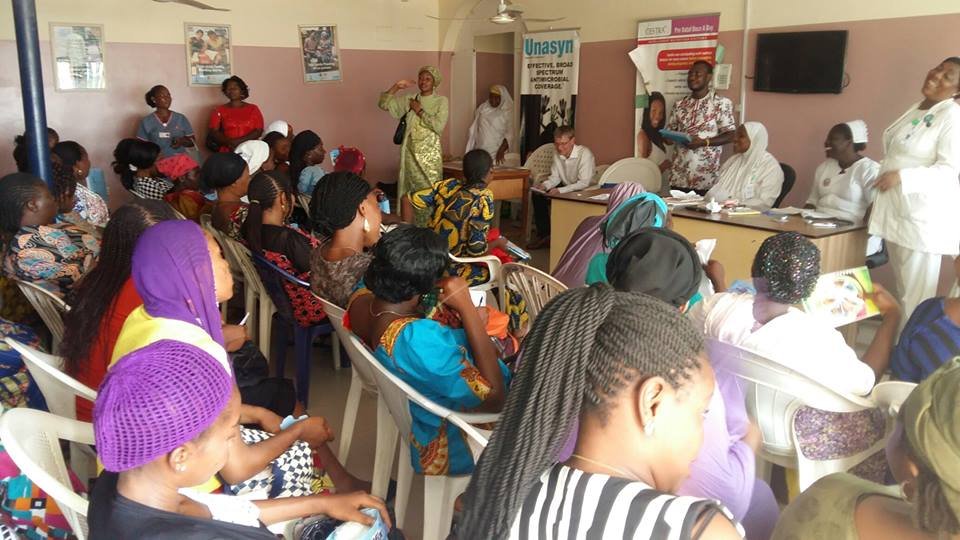
The lack of essential family planning (FP) commodities across Akwa Ibom State’s primary health facilities, particularly in rural communities, is placing women and girls of reproductive age at grave risk, with rising maternal mortality, unwanted teenage pregnancies, and unsafe abortions becoming increasingly prevalent. Recent visits to local government areas have exposed alarming gaps in the availability of FP services, a situation exacerbated by the ongoing poverty crisis in these areas.
According to the 2018 Nigeria Demography and Health Survey, Akwa Ibom has one of the highest rates of teenage pregnancies in the country, standing at 12%, along with the highest rate of abortion among young people. Despite these stark statistics, many women and girls in the state are unable to access the life-saving services they need. A family head in Ikot Ebom Itam, Itu local government area, shared the heartbreaking loss of two mothers, both of whom died during childbirth, alongside many teenage girls dropping out of school due to early pregnancies.
Local health providers in areas like Ukanafun and Mkpat Enin lament the scarcity of FP commodities at health centers, leaving many women without options to manage their reproductive health. Young mothers and expectant teenagers, like Abasifreke from Ukanafun, shared their desire to embrace FP services but are hindered by the lack of available choices in clinics.
Health professionals like Mrs. Edimek Emason Akpaitam, a Family Planning provider, acknowledge improvements in service uptake, thanks to awareness campaigns by organizations like The Challenged Initiative (TCI), but emphasize the ongoing struggle with inadequate resources. Meanwhile, some women, like Mrs. Asindi Joseph of Mkpat Enin, have found relief through methods like implanon, but their stories remain exceptions in a system overwhelmed by supply shortages.
Vulnerable women in the state, including those mentally ill and unable to access FP services, face even greater challenges. One such woman, roaming the streets of Uyo, has fallen victim to repeated pregnancies due to her vulnerability, highlighting the dire need for more comprehensive family planning outreach.
Despite these challenges, advocates for reproductive rights, such as Dr. Taiwo Johnson of TCI, insist that access to FP services is a fundamental right, not just for married women but for all individuals, including adolescents. The lack of proper funding and government support, as reported by Akwa Ibom’s FP coordinator, Mrs. Enobong Eshiet, continues to hamper the state’s ability to provide adequate services.
With unmet needs for family planning services standing at 32% in Akwa Ibom, the situation is dire. The state’s reliance on donor funding for FP commodities and the failure to contribute to the national basket fund have only deepened the crisis. The need for state-level funding and a policy shift to ensure sustainable family planning services is more urgent than ever. The lives of countless women and girls in Akwa Ibom hang in the balance, and the call for action from all stakeholders is louder than before.
